



By 𝘼𝙝𝙖𝙢𝙚𝙙𝙪𝙡 𝙆𝙖𝙧𝙞𝙢 𝘾𝙝𝙤𝙬𝙙𝙝𝙪𝙧𝙮
Former Head of ICD Kamalapur and Pangaon ICT, Chattogram Port Authority; Adjunct Faculty Member, Bangladesh Maritime University
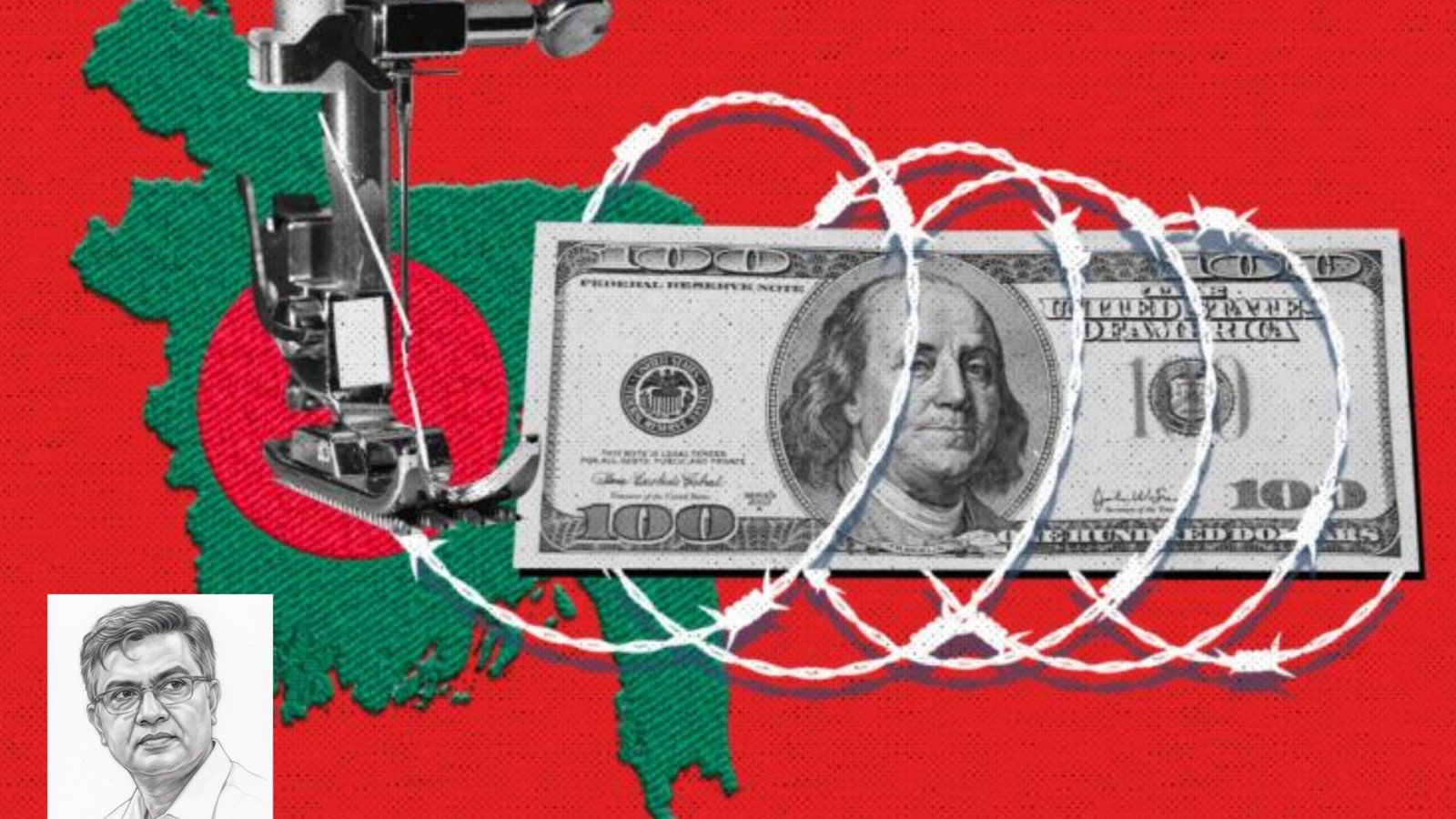
For decades, Bangladesh’s ready-made garment (RMG) sector has been more than just an industry. It has been the country’s economic backbone, its largest employer, and a central pillar of export growth. Few policy developments, therefore, attract as much attention as changes affecting access to the United States—the single most important market for Bangladeshi apparel.So when news surfaced that garments made with US cotton could receive duty-free entry into the American market, the reaction was predictably enthusiastic. After a turbulent year marked by steep tariff hikes, the announcement sounded like relief, even reassurance. But once the initial optimism fades, a quieter and more important question remains: what does this deal really mean for Bangladesh in the longer run?
𝗥𝗲𝗹𝗶𝗲𝗳 𝗮𝘁 𝗮 𝗗𝗶𝗳𝗳𝗶𝗰𝘂𝗹𝘁 𝗠𝗼𝗺𝗲𝗻𝘁
The context matters. In 2025, Bangladeshi apparel exports to the US were hit by a “reciprocal tariff” that pushed total duties on many products beyond 35%. For an industry built on thin margins and high volumes, the shock was immediate. Orders slowed, prices came under pressure, and buyers began reassessing sourcing options.Against this backdrop, the promise of zero-duty access tied to the use of US cotton feels significant. Cotton-based products account for nearly three-quarters of Bangladesh’s garment exports to the US. Even partial eligibility under the scheme could restore lost competitiveness and steady export flows at a time when global demand remains uncertain.In the short term, the deal offers what the industry urgently needs: breathing space.
𝗪𝗵𝘆 𝘁𝗵𝗲 𝗡𝘂𝗺𝗯𝗲𝗿𝘀 𝗔𝗱𝗱 𝗨𝗽
From a narrow cost perspective, the logic is straightforward. US cotton is more expensive than alternatives sourced from Africa or South Asia, typically by 10 to 15 cents per kilogram. Yet this additional cost is small compared to the tariff savings on finished garments, which can range between 15 and 20 percent.For a basic cotton T-shirt, the higher raw material cost may add only a few cents. Duty-free entry, by contrast, can save close to a dollar per piece at the US border. In a market where buyers scrutinise even marginal price differences, that gap matters.Beyond cost, there is also compliance. US cotton comes with traceability, helping exporters navigate increasingly strict regulations related to forced labour and supply chain transparency. In today’s regulatory environment, this assurance carries its own value.
𝗔 𝗦𝗵𝗶𝗳𝘁 𝗶𝗻 𝗖𝗼𝗺𝗽𝗲𝘁𝗶𝘁𝗶𝘃𝗲 𝗣𝗼𝘀𝗶𝘁𝗶𝗼𝗻
The agreement also subtly reshapes Bangladesh’s standing among its competitors. Vietnam and India continue to face higher or uncertain US tariff regimes. India, in particular, has been affected by elevated duties stemming from broader geopolitical tensions.Bangladesh, meanwhile, has secured a targeted advantage linked to raw material sourcing. What was once a vulnerability—heavy dependence on imported cotton—has, at least for now, become a negotiating asset. Few apparel-exporting countries can adjust sourcing patterns at Bangladesh’s scale and speed.If managed well, the deal could help consolidate Bangladesh’s position in cotton-heavy segments such as knitwear, denim, and everyday casualwear—the staples of US mass-market consumption.
𝗧𝗵𝗲 𝗙𝗶𝗻𝗲 𝗣𝗿𝗶𝗻𝘁 𝗠𝗮𝘁𝘁𝗲𝗿𝘀
Still, it would be a mistake to see this as an unconditional win. Duty-free access comes with obligations. Bangladesh has committed to expanding imports from the US, including agricultural products, energy, and industrial goods. Policy adjustments related to intellectual property, digital trade, and export incentives are also part of the broader understanding.These commitments invite difficult questions. Will higher imports strain foreign exchange reserves? Could domestic producers face rising costs elsewhere? And how resilient is this arrangement if global cotton or energy prices swing sharply?Implementation will be equally critical. Rules of origin, documentation, and traceability requirements must be clear and predictable. If compliance becomes complex or costly, smaller manufacturers may struggle to participate, narrowing the benefits to a limited segment of the industry.
𝗕𝗲𝘆𝗼𝗻𝗱 𝗣𝗿𝗶𝗰𝗲 𝗖𝗼𝗺𝗽𝗲𝘁𝗶𝘁𝗶𝗼𝗻
Over the next year or two, the deal is likely to do what it promises: prevent further erosion of exports, reassure buyers, and stabilise Bangladesh’s presence in the US market. That alone gives it value.But trade history offers a familiar lesson. Preferences based purely on cost rarely last. Competitors adjust, policies shift, and global priorities evolve. If Bangladesh relies solely on duty-free access to remain competitive, the advantage will be fleeting.The more durable opportunity lies in what Bangladesh does with the savings. Reinvesting in productivity, product development, design capability, and sustainability could turn short-term relief into long-term resilience. The US market increasingly rewards reliability, speed, compliance, and value addition—not just the lowest price.
𝗔 𝗚𝗹𝗶𝗺𝗽𝘀𝗲 𝗼𝗳 𝘁𝗵𝗲 𝗣𝗼𝘀𝘁-𝗟𝗗𝗖 𝗙𝘂𝘁𝘂𝗿𝗲
There is also a broader story unfolding. As Bangladesh prepares to graduate from Least Developed Country status, it will gradually lose several unilateral trade preferences, particularly in Europe. In that context, the US cotton arrangement offers a glimpse of the future—one where market access is negotiated through reciprocity, compliance, and strategic alignment rather than granted by default.Seen this way, the deal is less about cotton and more about confidence. It tests whether Bangladesh can operate comfortably in a trade environment defined by negotiation rather than concession.
𝗔 𝗗𝗼𝗼𝗿, 𝗻𝗼𝘁 𝗮 𝗗𝗲𝘀𝘁𝗶𝗻𝗮𝘁𝗶𝗼𝗻
Does the agreement benefit Bangladesh’s RMG exports to the US? Yes—but with conditions.In the short term, it protects billions of dollars in exports and preserves access to a vital market. In the medium term, it provides an edge over key competitors. In the long term, its value will depend on whether Bangladesh converts tariff relief into structural strength.Duty-free access is not a destination; it is a tool. Used wisely, it can help Bangladesh evolve from being merely the cheapest option to becoming the most dependable one. Used poorly, it risks becoming another temporary advantage in an unpredictable global trade system.The door has opened. What matters now is whether Bangladesh steps through with purpose—or pauses, content with the threshold.