



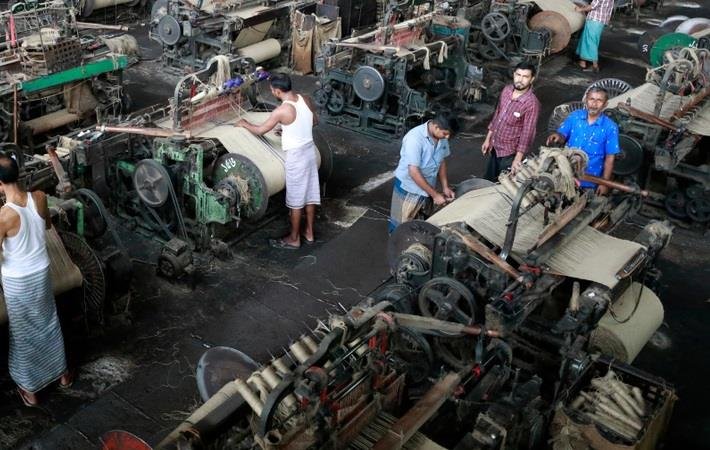
The government of Bangladesh is set to lease out six state-owned jute mills by December this year, aiming to revive idle industrial units, attract fresh investment, and generate employment across the sector.
The initiative was announced by Khandakar Abdul Muktadir following an emergency stakeholder meeting held in Dhaka. Each of the mills is expected to attract investments ranging from Tk 200 crore to Tk 500 crore and create more than 1,000 jobs.
The move is part of a broader strategy to bring underutilised industrial assets back into production through private sector participation. Authorities are evaluating the current condition of closed mills, investment potential, and pathways to accelerate the revival process.
According to the minister, several mills already leased to private operators have shown encouraging progress, drawing significant investment and generating employment. The government plans to gradually restore all mills under its jurisdiction—either through jute-based production or diversified industrial activities.
The mills fall under the Bangladesh Jute Mills Corporation (BJMC), which suspended operations at 25 mills in 2020. Of these, 20 were identified for leasing, with 14 already handed over to private investors. Officials confirmed that nine of these mills have resumed operations, collectively generating around 9,500 jobs.
Shariful Alam noted that ongoing field-level assessments are helping expedite decision-making to ensure the mills become economically viable. The initiative is expected to contribute to export growth, promote import substitution, and strengthen the country’s jute sector.
The revival effort also aligns with Bangladesh’s broader push to diversify its textile and industrial base, leveraging the global demand for sustainable and eco-friendly fibres such as jute.
Industry observers see the move as a significant step toward revitalising the traditional jute sector while supporting employment generation and long-term industrial development.