



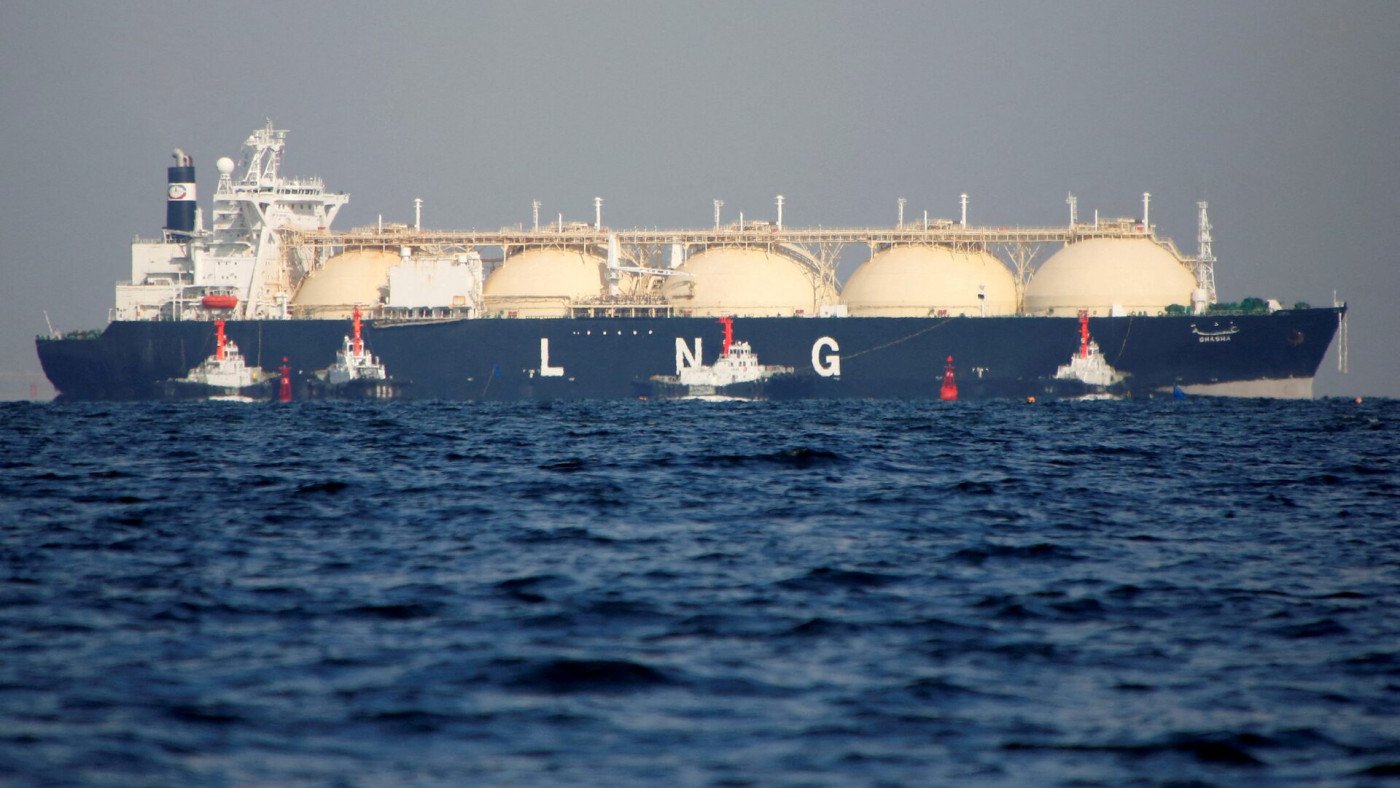
Bangladesh has secured two liquefied natural gas (LNG) cargoes from the spot market at comparatively lower prices, as global energy rates ease amid diplomatic efforts to reduce tensions in the Middle East.
The Cabinet Committee on Government Purchase approved the procurement on 25 March, with delivery expected in late April.
UK-based TotalEnergies Gas & Power Ltd offered the cargoes at $19.77 per MMBtu, marking a decline from prices above $20 per MMBtu recorded earlier this month. The total procurement cost is estimated at Tk 1,667 crore.
Officials from the Ministry of Power, Energy and Mineral Resources stated that the lower price reflects a recent softening in global energy markets. This trend has been influenced by diplomatic initiatives led by the United States to de-escalate the ongoing conflict involving Israel and Iran.
Global oil benchmarks have also declined in recent days. Brent crude oil fell by as much as 7% to around $97 per barrel, while West Texas Intermediate traded near $88 per barrel, creating an opportunity for more cost-effective LNG purchases.
Earlier in March, Bangladesh approved two LNG cargoes from Aramco Trading Singapore at prices of $20.96 and $20.92 per MMBtu. Prior to that, three cargoes were secured at above $20 per MMBtu, including one from TotalEnergies at $21.58 and two from Posco International at $20.76.
At the onset of the conflict on 28 February, emergency purchases were made at significantly higher prices—$28.28 per MMBtu from Gunvor and $23.08 from Vitol.
Since then, the government has approved at least nine spot LNG cargoes to maintain supply stability.
Bangladesh’s increasing dependence on LNG reflects structural challenges in its energy sector. Domestic gas production has remained stagnant, leading to growing reliance on imports since 2018. LNG is primarily handled by Petrobangla through floating storage and regasification units in Moheshkhali.
According to LightCastle Partners, Bangladesh imported 109 LNG cargoes worth $3.88 billion in 2025, up from 86 cargoes valued at $3.02 billion in 2024. Qatar remained the largest supplier, followed by Oman’s OQ Trading, with additional volumes sourced from the spot market.