



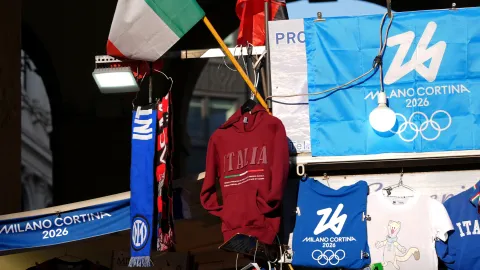
Although the Winter Olympics is one of the world’s biggest sporting events, it is also one of the most strictly regulated marketing environments. Official sponsorship rules limit how brands can promote themselves during the Games. As a result, fashion and sportswear labels are adopting creative strategies to capture global attention.
According to The Business of Fashion (BoF), brands are using alternative approaches such as outfitting national teams, launching capsule collections, collaborating with influencers, and expanding winterwear lines to maximise visibility.
Winterwear in the Spotlight
Industry observers note that the Games are no longer just about performance uniforms. Winter sports have become a platform for fashion-forward outerwear and lifestyle products. Consumers are increasingly seeking apparel that combines performance, style, and everyday wearability.
Major brands such as Adidas have introduced large-scale collections tied to the Winter Games, using athlete visibility as a powerful branding tool. Even without traditional advertising, logos displayed during global broadcasts provide significant exposure.
Navigating Strict Marketing Rules
Only official sponsors can use Olympic trademarks and branding. Non-sponsoring brands must avoid direct references to the Games, often relying on creative language and indirect messaging to align themselves with the event.
Beyond the competition, many brands focus on post-Olympic opportunities. Athletes who gain popularity during the Games frequently secure endorsement deals and fashion collaborations once restrictions are lifted. Recent examples show how Olympians are expanding into beauty, fashion campaigns, and designer partnerships after the closing ceremony.
Beyond the Olympics: Super Bowl Fashion Moment
The discussion also highlighted how musician Bad Bunny’s decision to wear Zara during the Super Bowl halftime show reflects a broader shift in fashion marketing — balancing cultural relevance with accessibility. Industry analysts suggest the choice aligned with themes of inclusivity and affordability, while also reflecting cultural identity.
A Changing Playbook
As global sporting events evolve, fashion brands are shifting from simple logo placement to broader lifestyle positioning. From winter-ready collections to streetwear-inspired fan apparel, the strategy now focuses on long-term brand equity rather than short-term exposure.