



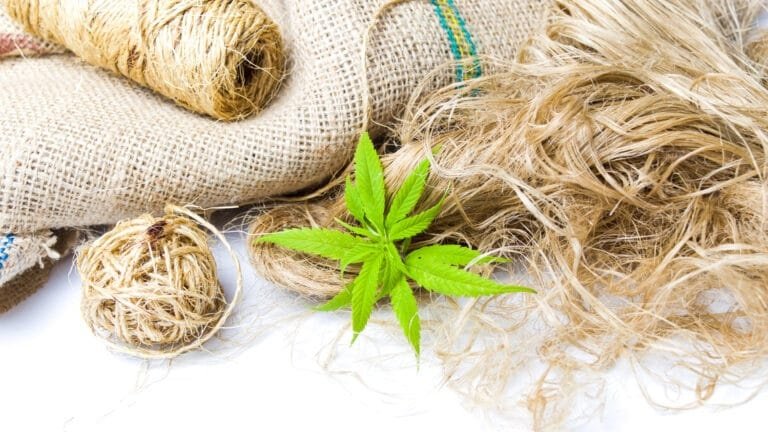
Hemp, botanically known as Cannabis sativa L., is one of humanity’s oldest cultivated plants. For thousands of years, civilizations across Asia and Europe used hemp for ropes, canvas, sails, and early forms of paper. In recent decades, hemp has experienced a global revival due to its exceptional mechanical strength, low environmental impact, and versatility across industries. As the world seeks alternatives to water-intensive and chemically dependent fibers, hemp has emerged as a promising candidate. Its ability to grow quickly in a variety of climates, along with its impressive fiber yield, positions hemp as a valuable material for both traditional and advanced applications.
Structure and Properties of Hemp Fiber
Hemp fiber is obtained from the outer bark of the plant’s stalk, known as the bast. Structurally, it is made up of long, cellulose-rich fiber bundles that give hemp its characteristic strength. The cellulose content typically ranges from 55% to 72%, contributing to its high tenacity. Hemp fibers have a polygonal or irregular cross-section and show a crystalline microfibrillar arrangement, which enhances their durability and dimensional stability.
One of the defining features of hemp fiber is its low elasticity. While this limits stretch, it makes hemp ideal for strong, stable fabrics. Hemp also exhibits impressive resistance to UV degradation, mold, and microorganisms. It is breathable, moisture-absorbent, and possesses good thermal conductivity, making it suitable for clothing in warm climates. Early hemp fabrics were coarse and stiff, but modern retting, enzymatic treatments, and softening technologies now produce much finer and more comfortable textiles.

Industrial Applications
The versatility of hemp has allowed it to move far beyond traditional uses. In the textile industry, hemp is used to produce durable shirts, denim blends, knitwear, canvas bags, and upholstery fabrics. It is also blended with fibers such as cotton, viscose, and lyocell to enhance softness and performance.
Outside the textile sector, hemp plays a major role in several industrial fields:
- Papermaking: Hemp fibers produce strong, long-lasting paper with reduced chemical processing.
- Bioplastics: Hemp hurds and fibers are incorporated into biodegradable plastic products, offering an eco-friendly alternative to petroleum-based plastics.
- Automotive components: Companies such as BMW, Mercedes-Benz, and Audi use hemp-reinforced composites for door panels and interior trims due to their lightweight strength.
- Construction: Hempcrete, a mixture of hemp hurds and lime, provides excellent insulation, low density, and mold resistance.
- Agriculture and packaging: Hemp is used to produce biodegradable mulch sheets, geotextiles, ropes, twines, and sustainable packaging materials.
These diverse applications show how hemp has become an essential material across both green and high-performance industries.
Hemp vs Cotton
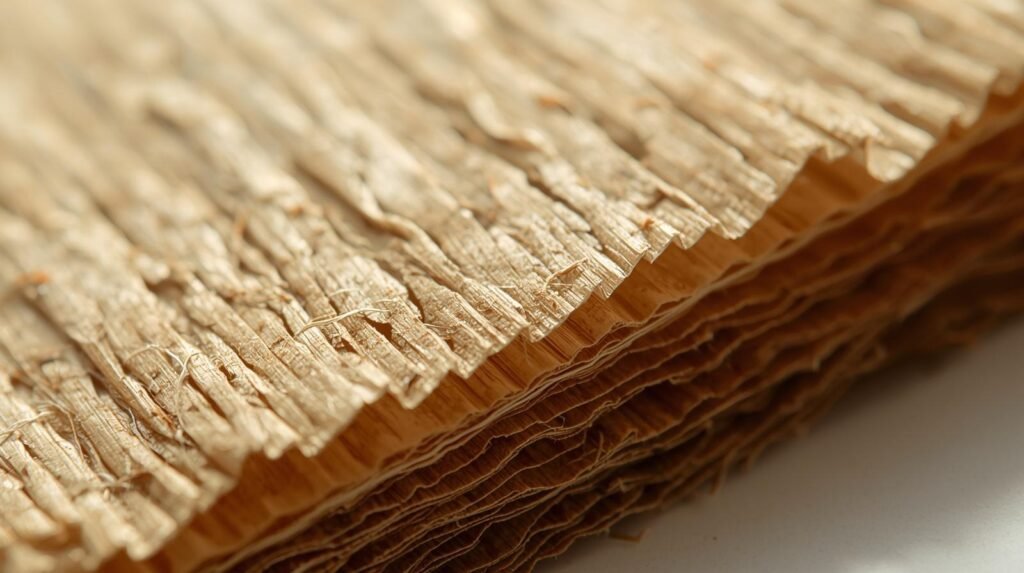
Hemp is often compared to cotton because both fibers serve the textile industry. Environmentally, hemp has clear advantages. It grows with significantly less water, often relying solely on natural rainfall. It requires little to no pesticides or synthetic fertilizers, whereas cotton is one of the most chemically intensive crops in the world. Hemp also produces a much higher fiber yield per acre, making it more land-efficient.
From a technical perspective, hemp is stronger, more durable, and more resistant to UV rays and microbial attack. Cotton, on the other hand, is naturally softer and more flexible, which makes it ideal for garments requiring comfort. Historically, hemp’s stiffness was a drawback, but with improved processing technologies, hemp-cotton blends and softened hemp fabrics now offer comfort levels nearly equal to cotton.
In sustainability, hemp is the clear winner, making it an important fiber for future eco-friendly textile development.
Hemp in Composites
Hemp fibers have gained significant attention as reinforcement materials in polymer composites. Because they are lightweight, strong, and biodegradable, they are excellent alternatives to synthetic reinforcements such as glass fiber. Hemp composites reduce weight in automotive parts while maintaining strength, offering improved fuel efficiency.
These composites are used in:
- Automotive interior panels
- Furniture boards
- Packaging materials
- Building insulation boards
- Sports equipment
Hemp composites also provide better acoustic and thermal insulation compared to synthetic alternatives. Their lower production energy requirement and easier recycling process make them highly desirable for industries transitioning toward sustainable materials.
Sustainability Perspective
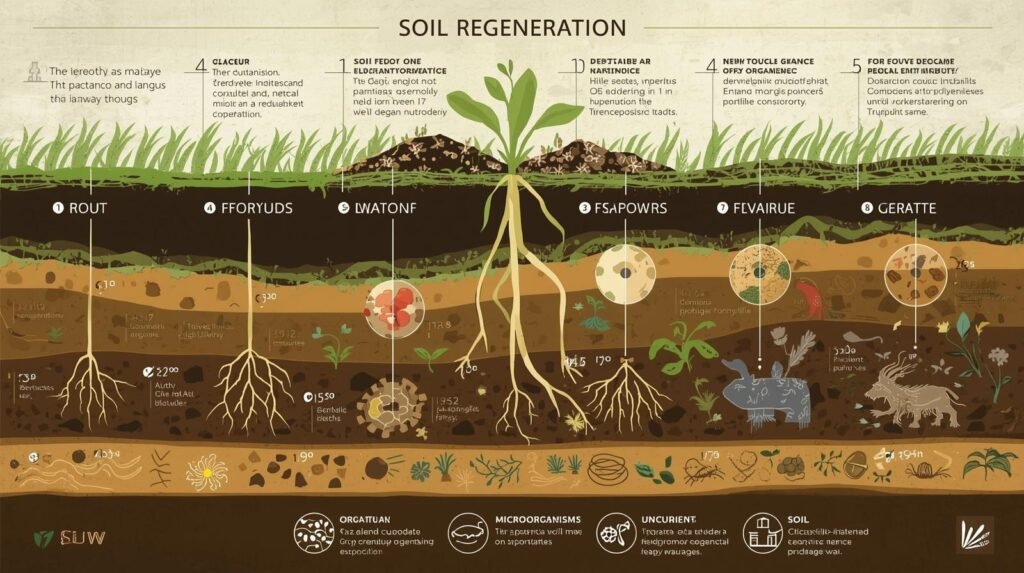
Hemp is widely recognized as one of the most sustainable natural fibers. It grows rapidly—often reaching maturity in 90–120 days—and can thrive in diverse soil conditions. Its deep root system prevents soil erosion, enhances soil structure, and reduces the need for herbicides by naturally suppressing weeds.
Hemp cultivation also has a significant environmental advantage in terms of carbon sequestration. The crop absorbs large amounts of CO₂ during its growth cycle, contributing positively to climate mitigation efforts.
From an end-use perspective, hemp fibers are biodegradable and have long lifespans. Products made from hemp break down naturally and release no toxic substances. When integrated into circular economy models—reuse, recycling, and composting—hemp can substantially reduce environmental pollution associated with textiles and plastics.
Market Challenges
Despite its advantages, the hemp industry faces several obstacles. One major challenge is regulatory confusion. Because hemp belongs to the Cannabis genus, many countries have strict rules and slow administrative processes that hinder cultivation and industrial use, even though industrial hemp contains little to no psychoactive content.
Another limitation is the lack of modern processing facilities. Cotton has a well-established global infrastructure, while hemp fibers often require specialized decortication, retting, and softening equipment, which can be expensive. The coarse nature of raw hemp also requires additional processing to meet the comfort expectations of the apparel market.
Market awareness poses another challenge. Many consumers are unaware of hemp’s sustainability benefits or still associate it with prohibited substances. As a result, demand remains lower than its potential, limiting large-scale commercial investment.
Hemp fiber stands out as a strong, durable, and sustainable material that has the potential to reshape the future of textiles and industrial materials. Its superior mechanical properties, low environmental footprint, and increasing relevance in composites and construction make it a promising alternative to traditional resources. While regulatory, technological, and market challenges remain, continued innovation and global interest in sustainable materials are steadily pushing hemp to the forefront. With proper investment and awareness, hemp could become one of the most important fibers in the transition toward a greener and more resource-efficient future.
Written by: Md. Farhan Nafeez Khandokar