



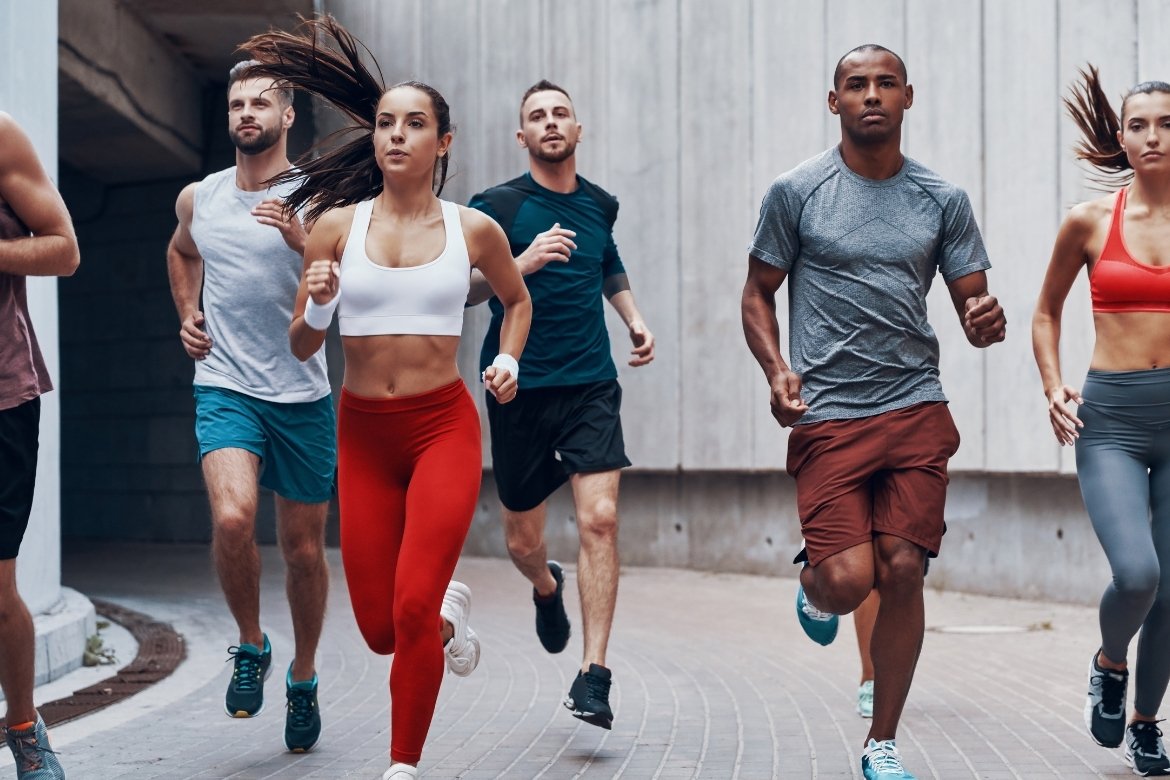
Sportswear has evolved far beyond traditional clothing. Today, it is an engineered product designed to support physical activity, enhance comfort, and improve athletic performance. Central to this evolution is the development of performance fibers—textile fibers engineered to provide functional properties such as moisture management, quick drying, stretch, durability, and thermal regulation.
Modern athletes expect garments that keep them dry, cool, flexible, and comfortable under varying environmental and physical conditions. As a result, textile engineers and apparel brands continuously invest in fiber innovation and advanced fabric technologies to meet these growing expectations.
Performance fibers are therefore a fundamental component of contemporary sportswear, enabling garments to actively assist athletes during training and competition.
Key Performance Requirements in Sportswear
The effectiveness of sportswear largely depends on the intrinsic properties of the fibers used. Several key performance characteristics determine whether a fiber is suitable for athletic applications.
Moisture Wicking
Moisture management is one of the most critical functions in activewear. During physical activity, the body produces sweat to regulate temperature. Wicking fibers transport moisture away from the skin through capillary action, allowing it to spread across the fabric surface and evaporate quickly.
Without effective moisture management, sweat accumulates on the skin, causing discomfort, chafing, and reduced athletic performance.
Quick Drying
Quick drying complements moisture-wicking functionality. Fibers with low moisture absorption, such as polyester and polypropylene, allow sweat to evaporate rapidly. This prevents garments from becoming heavy, sticky, or uncomfortable during intense physical activity.
Stretch and Elastic Recovery
Sportswear must accommodate dynamic body movements. Stretch fibers, particularly spandex (also known as elastane), allow garments to expand during movement and recover their original shape afterward.
Even a small percentage of spandex—typically between 2% and 20%—can significantly improve garment fit, mobility, and comfort.
Durability and Abrasion Resistance
Athletic garments experience frequent stretching, washing, and friction. Fibers such as nylon offer high tensile strength and excellent abrasion resistance, making them ideal for high-impact sports and outdoor activities.
Breathability and Thermal Regulation
Maintaining thermal comfort is essential during exercise. Breathable fibers allow moisture vapor to escape, preventing overheating. Advanced fibers and fabric structures also incorporate thermal management technologies to help regulate body temperature efficiently.
Sustainability Considerations
Environmental sustainability has become a major focus within the sportswear industry. Manufacturers increasingly adopt recycled polyester, bio-based fibers, and low-impact manufacturing processes to reduce environmental impact while maintaining high performance standards.
Major Performance Fibers Used in Sportswear
Several fibers dominate modern sportswear due to their functional properties and adaptability in fabric engineering.
Polyester
Polyester is the most widely used fiber in sportswear due to its excellent balance of performance, durability, and cost efficiency.
Key advantages include:
- Excellent moisture-wicking ability
- Quick drying performance
- High tensile strength
- Lightweight structure
- Wrinkle resistance
Because of these properties, polyester is commonly used in sports jerseys, training apparel, and activewear garments.
Nylon
Nylon provides higher strength and abrasion resistance compared to polyester, making it ideal for demanding athletic activities and outdoor sports.
Key features include:
- Superior durability
- Smooth and soft hand feel
- Good elasticity
- Better moisture absorption than polyester
High-quality nylon fabrics are widely used in compression wear, leggings, and performance outerwear.
Spandex (Elastane)
Spandex plays a critical role in modern sportswear due to its exceptional stretch and recovery properties.
Key characteristics include:
- Ability to stretch up to 500% of its original length
- Excellent shape retention
- Improved garment flexibility and comfort
Most performance garments incorporate 2–20% spandex blended with other fibers. However, conventional spandex presents sustainability challenges, which has encouraged research into bio-based stretch alternatives.
Polypropylene (PP)
Polypropylene is one of the most hydrophobic textile fibers, meaning it absorbs almost no moisture.
Key benefits include:
- Excellent moisture vapor transport
- Extremely lightweight structure
- High thermal efficiency
Polypropylene fibers are commonly used in base layer garments, where efficient moisture management is essential.
Regenerated Cellulosic Fibers (Lyocell / Tencel)
Lyocell fibers offer a more sustainable alternative with natural comfort and breathability.
Key advantages include:
- High moisture absorption with efficient moisture distribution
- Eco-friendly closed-loop manufacturing process
- Smooth and soft texture
Blending lyocell with polyester or spandex produces hybrid fabrics that combine natural comfort with synthetic performance.
Microfibers
Microfibers are ultra-fine synthetic fibers with an extremely large surface area.
Their benefits include:
- Enhanced moisture-wicking capability
- Faster drying performance
- Improved softness
- Lightweight fabric structure
Microfiber polyester is widely used in lightweight sports T-shirts and high-performance activewear fabrics.
Innovations and Technologies in Performance Fibers
Continuous research and technological development are driving new innovations in performance fibers.
Engineered Cross-Section Fibers
Polyester fibers can be manufactured with specialized cross-sectional shapes, such as:
- Multi-channel fibers
- Trilobal structures
- Hollow designs
These shapes improve moisture transport, airflow, and thermal regulation.
Hollow Filament Nylon
Some advanced nylon fibers contain hollow cores, which reduce weight while improving insulation and moisture management.
These fibers are particularly suitable for cold-weather sportswear, where warmth and breathability must be balanced.
Smart Cooling Textiles
New textile technologies incorporate heat conduction pathways and advanced moisture channels that actively cool the body during exercise. These fabrics enhance comfort and help reduce overheating and dehydration.
Bio-Based Stretch Fibers
Researchers and apparel brands are developing plant-derived alternatives to elastane. These fibers aim to replicate the elasticity of traditional spandex while reducing environmental impact.
Anti-Microbial and Odor-Control Fibers
Odor control is an important feature in sportswear. Some fibers incorporate silver ions, copper particles, or bio-based antimicrobial treatments that inhibit bacterial growth and keep garments fresh for longer periods.
Eco-Friendly Dyes and Finishes
Sustainable finishing technologies reduce water consumption and chemical use while maintaining essential fabric properties such as moisture management, UV protection, and durability.
Applications of Performance Fibers in Sportswear
Different sportswear products require specific fiber properties.
Base Layers
Fiber requirements:
Moisture management, breathability, lightweight comfort.
Common fibers:
Polypropylene, polyester microfibers, lyocell blends.
Compression Garments
Fiber requirements:
High stretch, recovery, and muscle support.
Common fibers:
Nylon and spandex blends.
Athletic T-Shirts and Shorts
Fiber requirements:
Quick drying, durability, and soft hand feel.
Common fibers:
Engineered polyester and microfiber blends.
Outdoor and Winter Sportswear
Fiber requirements:
Thermal insulation, moisture management, abrasion resistance.
Common fibers:
Nylon, hollow fibers, and advanced thermal-regulating synthetics.
Future Trends and Challenges
Future Trends
Several key trends are shaping the future of performance fibers:
- Increased adoption of recycled, biodegradable, and bio-based fibers
- Development of smart textiles with sensors or adaptive cooling systems
- Emergence of multi-functional fibers combining moisture control, UV protection, stretch, and antimicrobial properties
Key Challenges
Despite significant progress, several challenges remain:
- Balancing high performance with sustainability
- High production costs of advanced fibers
- Microplastic pollution from synthetic materials
- Scaling up bio-based alternatives for commercial production
The future of performance fibers will depend on collaborative innovation between researchers, fiber manufacturers, and apparel brands.
Performance fibers form the foundation of modern sportswear technology. Their ability to manage moisture, provide stretch, enhance durability, and regulate temperature directly influences athletic comfort and performance.
Fibers such as polyester, nylon, spandex, polypropylene, lyocell, and microfiber blends remain the most widely used materials due to their functional advantages.
At the same time, rapid innovation is transforming the sportswear industry. Technologies such as engineered cross-sections, hollow filaments, smart cooling structures, antimicrobial treatments, and sustainable materials are shaping the next generation of performance textiles.
As consumer expectations and environmental awareness continue to grow, the future of sportswear will increasingly rely on high-performance fibers that deliver both technical functionality and environmental responsibility.
Written by: Khaled Hasan, Student, KUET