



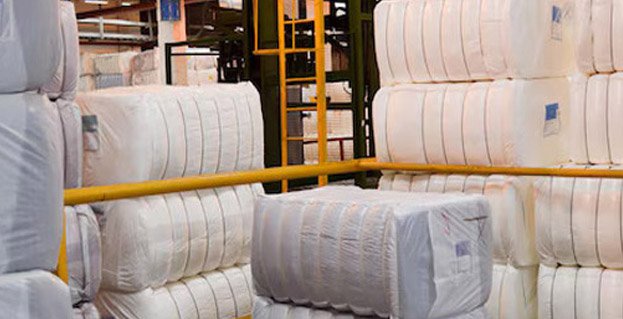
Acrylic fiber is a synthetic textile fiber composed primarily of acrylonitrile, a petroleum-derived monomer. Under U.S. Federal Trade Commission (FTC) regulations, a fiber must contain at least 85% acrylonitrile to be classified as acrylic. The remaining composition consists of comonomers such as methyl acrylate or vinyl acetate, which enhance softness, flexibility, and dyeability.
The first commercial acrylic fiber, Orlon, was developed in the 1940s by DuPont. Acrylic was engineered to mimic wool’s warmth and comfort while offering advantages such as lightweight feel, vibrant coloration, moth resistance, and easy maintenance. Today, acrylic fibers are widely used in apparel and home furnishings due to their durability, colorfastness, and resistance to sunlight and mildew.
Structure and Properties
Acrylic fibers are based on polyacrylonitrile (PAN), a linear polymer containing strong nitrile (−C≡N) functional groups. These long molecular chains provide strength, resilience, and chemical stability.
Physical Properties
- Density: 1.17–1.19 g/cm³ (lighter than wool)
- Tensile Strength: Moderate; suitable for general textile use
- Elasticity: Elongation at break 10–50%, offering wool-like flexibility
- Thermoplasticity: Softens at 160–250°C; sensitive to high heat
- Moisture Regain: ~0.5% (hydrophobic and quick-drying)
- UV Resistance: Excellent resistance to sunlight and fading
Chemical Properties
Acrylic fibers show strong resistance to:
- Weak acids and alkalis
- Oxidizing agents and bleaches
- Mildew, mold, and insect attack
They exhibit good affinity for cationic dyes due to the polar nitrile groups in the polymer chain.
Limitations
- Static buildup due to low moisture regain
- Pilling tendency under abrasion
Manufacturing Process
Acrylic fiber production involves controlled polymer and fiber-forming operations:
- Polymerization – Formation of polyacrylonitrile polymer
- Filtration – Removal of impurities
- Spinning – Wet or dry spinning to form filaments
- Drawing – Orientation and strength development
- Crimping – Adding bulk and texture
- Cutting – Conversion into staple fibers if required
Global Production and Consumption
Worldwide acrylic fiber production is estimated at 1.5–1.6 million tons annually. The Asia-Pacific region dominates manufacturing and consumption, with China as the leading producer, followed by India, Turkey, and Mexico. Demand is driven by winter apparel, blankets, and cost-effective wool substitutes.
Apparel and Home Textile Applications
Apparel
- Sweaters and cardigans
- Socks and gloves
- Shawls and scarves
- Sportswear
- Baby clothing
Home Textiles
- Blankets and fleece throws
- Carpets and rugs
- Cushions and upholstery
- Outdoor fabrics
Acrylic’s warmth, softness, and color retention make it especially suitable for cold-weather and decorative textiles.
Pilling and Static Challenges
Pilling: Surface fiber breakage forms small balls on fabric.
Static: Hydrophobic nature leads to electrostatic charge buildup.
Mitigation Methods
- Fiber blending (e.g., acrylic-wool, acrylic-cotton)
- Anti-static chemical finishes
- Low-agitation washing and fabric softeners
Future Scope and Innovations
- Recycling technologies for acrylic waste
- Carbon fiber precursors from PAN polymers
- Advanced comfort finishes
- Bio-based acrylonitrile development
These innovations aim to improve sustainability and performance while reducing reliance on fossil resources.
Acrylic fiber remains a versatile and economically important synthetic textile material. Its wool-like warmth, lightweight nature, and durability make it ideal for winter clothing and home furnishings. Although challenges such as pilling and static persist, advancements in recycling, finishing technologies, and bio-based raw materials are expected to strengthen acrylic’s role in the evolving textile industry.
Written by: Rifat Hasan