



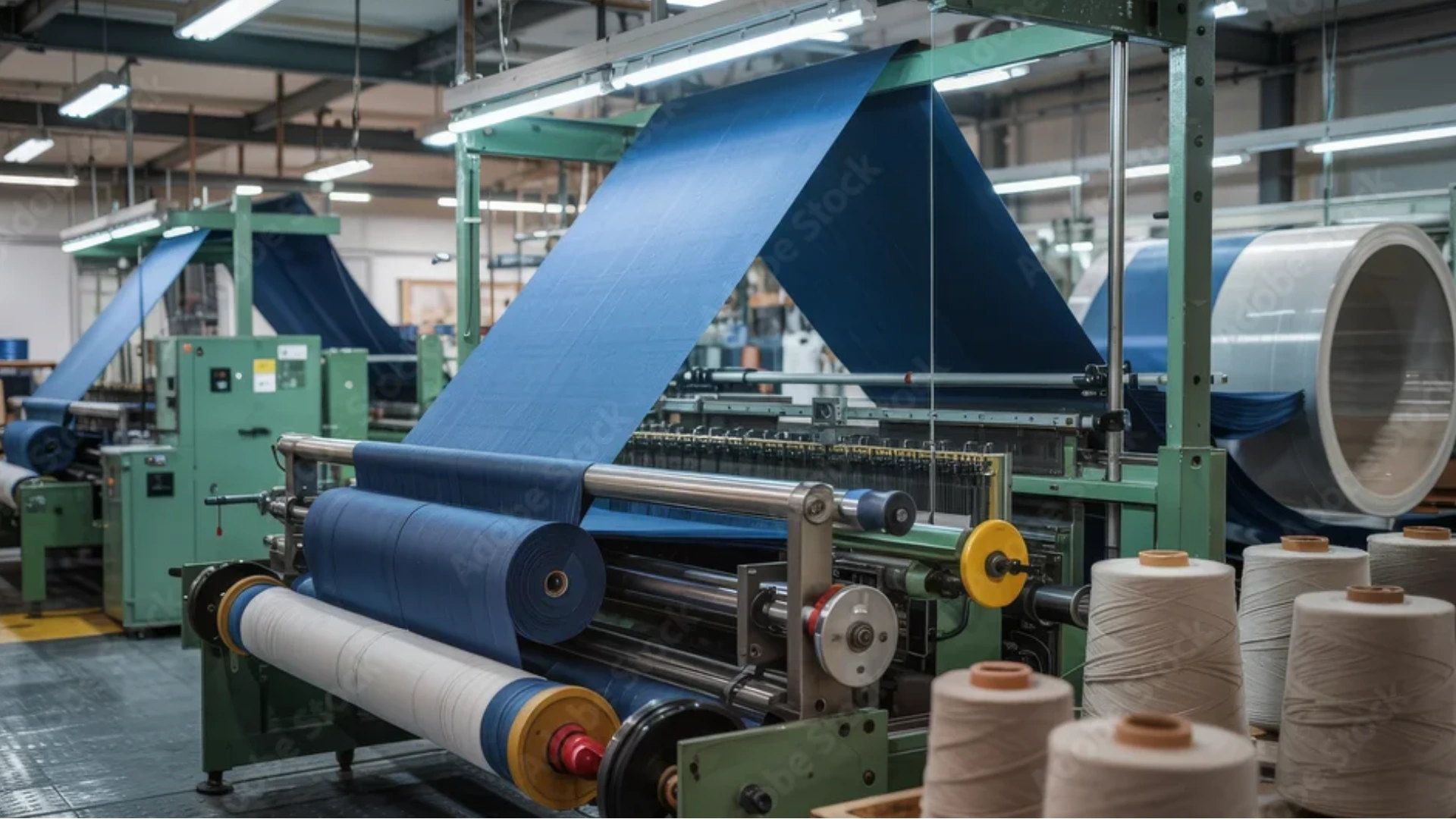
As a textile enthusiast, I have always been fascinated by the intricate process of weaving. The textile loom is an essential tool in the creation of woven fabrics, and its invention revolutionized the textile industry. The loom has a long history dating back to the 5th millennium BC, and it has undergone many changes throughout the centuries.
The loom is a complex machine that requires skill and precision to operate. There are many different types of looms, each with its own unique features and capabilities. The components of a loom are also varied, from the warp and weft threads to the heddles and reed.
Understanding the operation process of a loom is essential to creating high-quality fabrics.
In this article, we will explore the history of the textile loom, the different types of looms, and the components of a loom, as well as the loom operation process.
Key Takeaways
- The textile loom is an essential tool in the creation of woven fabrics.
- There are many different types of looms, each with its own unique features and capabilities.
- Understanding the operation process of a loom is essential to creating high-quality fabrics.
History of Textile Loom
As an AI language model, I do not have a personal perspective, but I can provide information about the history of textile looms. The textile loom is an ancient invention that has undergone significant developments throughout history.
In this section, I will provide a brief overview of the history of textile loomss, divided into three sub-sections:pre-industriall Revolution, Industrial Revolution, and Modern Developments.
Pre-Industrial Revolution
The earliest known type of loom is the backstrap loom, which originated in ancient Mesopotamia and Egypt Thula Tula. It is a simple loom that consists of a frame, a fixed end, and a movable end.
The weaver attaches one end of the warp threads to a fixed point and the other to a belt wrapped around the weaver’s body. The weaver then creates tension on the warp threads by leaning back, allowing the weft thread to be passed through the warp threads.
The pit loom is another ancient type of loom that was used in Europe and Asia. It is a vertical loom that is dug into the ground, creating a pit for the weaver to work in. The warp threads are stretched between two bars, and the weaver passes the weft thread through the warp threads using a shuttle.
Industrial Revolution
The Industrial Revolution brought significant changes to the textile industry. In 1733, John Kay invented the flying shuttle, which allowed weavers to produce wider cloth faster Britannica. In 1785, Edmund Cartwright patented the power loom, which used water or steam power to automate the weaving process. The power loom revolutionized the textile industry and allowed for mass production of cloth.
Modern Developments
Today, textile looms have become increasingly automated and computerized. The Jacquard loom, invented in 1801, was a major technical and social revolution in the profession LinkedIn. It used punched cards to control the weaving process, allowing for complex patterns to be woven quickly and accurately. Modern looms use computer-aided design (CAD) to create intricate patterns and designs, and many looms are fully automated, requiring minimal human intervention.
In conclusion, the textile loom has a long and fascinating history that has seen significant developments throughout the centuries. From the simple backstrap loom to the highly automated computerized loom of today, the textile loom has played a crucial role in the development of the textile industry.
Types of Textile Looms
As a textile enthusiast, I have come across various types of looms that are used for weaving fabrics. In this section, I will discuss three main types of textile looms: Hand Loom, Power Loom, and Jacquard Loom.
Hand Loom
Hand looms are one of the oldest types of looms used for weaving fabrics. They are manually operated and require a lot of physical effort. The weaver sits in front of the loom and uses a shuttle to pass the weft yarn through the warp yarns. Hand looms come in different sizes and shapes, and they are used to create a variety of fabrics, including cotton, silk, and wool. Hand looms are still used in some parts of the world, especially in rural areas.
Power Loom
Power looms are automated looms that are operated using electricity. They were invented during the Industrial Revolution to increase the efficiency of the weaving process. Power looms can weave fabrics at a much faster rate than hand looms, and they require less physical effort. They are used to produce large quantities of fabric quickly and efficiently. Power looms come in different sizes and shapes, and they are used to create a variety of fabrics, including cotton, silk, and synthetic fibers.
Jacquard Loom
Jacquard looms are a type of power loom that uses a punched card system to create intricate patterns on fabrics. They were invented by Joseph Marie Jacquard in the early 19th century. Jacquard looms are used to create fabrics with complex patterns, such as brocade, damask, and tapestry. They are operated using electricity and require less physical effort than hand looms. Jacquard looms come in different sizes and shapes, and they are used to create a variety of fabrics, including silk, wool, and synthetic fibers.
In conclusion, these are the three main types of textile looms:
- Handloom
- Power loom
- Jacquard loom
Each type of loom has its advantages and disadvantages, and they are used to create a variety of fabrics.
Components of a Textile Loom
As a textile loom is a complex machine, it is made up of several components that work together to produce a woven fabric. In this section, I will discuss the main components of a textile loom and their functions.
Warp Beam
The warp beam is the component of the loom that holds the warp yarns. It is located at the back of the machine and is controlled so that it releases warp yarns to the weaving area of the loom as needed. The warp beam is usually made of wood or metal and is designed to hold a large number of warp threads.
Harnesses
Harnesses are frames that hold the heddles, which are used to control the warp threads. The number of harnesses on a loom depends on the complexity of the weave. Each harness is connected to a treadle, which the weaver uses to raise and lower the harnesses to create the desired pattern.
Reed
The reed is a component of the loom that is used to beat the weft yarns into place. It is made up of a series of metal or plastic strips that are set into a frame. The reed is located in the beater, which is the part of the loom that moves back and forth to beat the weft yarns into place.
Shuttle
The shuttle is the component of the loom that carries the weft yarns back and forth across the warp threads. It is usually made of wood and is designed to hold a bobbin of weft yarn. The shuttle is thrown back and forth across the warp threads by the weaver, who uses a picking motion to send the shuttle through the shed.
In summary, the main components of a textile loom are the warp beam, harnesses, reed, and shuttle. Each of these components plays a crucial role in the weaving process, and they must work together in order to produce a high-quality woven fabric.
Loom Operation Process
As a weaver, I know that the operation of a textile loom is a complex process that requires attention to detail and careful execution. The loom operation process can be broken down into three main stages: warping, weaving, and inspection.
Warping
The first stage of the loom operation process is warping. During this stage, the warp yarns are wound onto the loom’s back beam. The warp yarns are arranged parallel to each other and under tension. The tension is critical to ensure that the yarns are evenly spaced and that the final fabric is of consistent quality.
Weaving
Once the warp yarns are in place, the weaving process can begin. The weaving process involves interlacing the warp and weft yarns to create the fabric. The shuttle, a small carrier device, inserts the filling yarn through the shed created by the raised harnesses. The beat-up process pushes the weft yarn tightly against the previously woven row of yarns.
The process of weaving can be complex, and there are several types of looms, including hand looms, power looms, and computerized looms. Each type of loom has its own unique characteristics and is suited to different types of fabrics.
Inspection
The final stage of the loom operation process is inspection. During this stage, the fabric is carefully examined for any defects or flaws. Any issues are corrected before the fabric is wound onto the loom’s front beam.
Inspection is an essential part of the loom operation process as it ensures that the final fabric is of high quality and meets the required standards. Any defects or flaws can impact the fabric’s strength, durability, and appearance.
In conclusion, the loom operation process is a complex, multi-stage process that requires attention to detail and careful execution. By following the warping, weaving, and inspection stages, we can create high-quality fabrics that meet the required standards.
Textile Loom in the Global Market
As a textile enthusiast, I have observed that the textile loom industry has evolved significantly in recent years. The global textile loom market is expected to grow at a CAGR of 4.5% during the forecast period (2020-2025) according to a recent report by Mordor Intelligence. The increasing demand for textiles, especially in developing countries, is driving this growth.
Major Producers
The textile loom industry is dominated by a few major players who hold a significant share of the market. Some of the key players in the industry include Toyota Industries Corporation, Tsudakoma Corporation, Itema Group, Picanol Group, and Stäubli International AG. These companies have a strong presence in the global market and offer a wide range of textile looms for different applications.
Consumer Trends
The textile industry is constantly evolving, and consumer trends are changing rapidly. One of the major trends in the textile loom industry is the increasing demand for eco-friendly and sustainable textiles. Customers are becoming more conscious of the environmental impact of the textile industry and are looking for sustainable options. This has led to the development of new eco-friendly textile looms that are energy-efficient and use less water.
Another trend in the textile loom market is the increasing demand for smart textile looms. These looms are equipped with advanced technology such as sensors, automation, and artificial intelligence that enable them to operate more efficiently and produce high-quality textiles.
Smart textile looms also offer real-time monitoring and predictive maintenance, which helps reduce downtime and increase productivity.
In conclusion, the textile loom industry is growing at a steady pace, driven by the increasing demand for textiles and changing consumer trends. Major players in the industry are investing heavily in research and development to develop new and innovative textile looms that cater to the changing needs of customers.
Environmental Impact of Textile Looms
As a textile loom operator, I understand the importance of considering the environmental impact of my work. Textile looms can have a significant impact on the environment, particularly in terms of energy consumption and waste production. In this section, I will discuss these two areas in more detail.
Energy Consumption
Textile looms require a significant amount of energy to operate. This energy is typically supplied by electricity, which is often generated using fossil fuels. As a result, the use of textile looms can contribute to greenhouse gas emissions and climate change.
To reduce the environmental impact of textile looms, it is important to consider energy-efficient options. This may include using looms that are designed to use less energy, or using renewable energy sources such as solar or wind power.
Waste Production
Textile looms can also generate a significant amount of waste. This waste may include scraps of fabric, excess thread, and other materials. If not properly managed, this waste can contribute to pollution and other environmental problems.
To reduce waste production, it is important to consider ways to minimize waste during the weaving process. This may include using more efficient weaving techniques or using materials that generate less waste. Additionally, it is important to properly manage and dispose of any waste that is generated, such as by recycling or composting.
In conclusion, as a textile loom operator, I understand the environmental impact of my work. By considering energy consumption and waste production, I can help reduce the impact of textile looms on the environment.
Future of Textile Looms
As the textile industry continues to evolve, the future of textile looms looks bright. With technological innovations and sustainability initiatives, textile looms are poised to play an even greater role in the production of high-quality textiles.
Technological Innovations
Advancements in technology are making textile looms more efficient and versatile than ever before. For example, some looms are now equipped with sensors that can detect and correct errors in real-time, reducing waste and improving quality. Others are designed to be more flexible, allowing weavers to create a wider range of designs and patterns.
Additionally, the rise of smart textiles is opening up new possibilities for textile looms. These textiles are embedded with sensors and electronics, allowing them to interact with their environment in new and exciting ways. Textile looms are being developed that can weave these smart textiles, paving the way for a new generation of wearable technology.
Sustainability Initiatives
As the world becomes more environmentally conscious, sustainability initiatives are becoming increasingly important in the textile industry. Textile looms are playing a key role in these efforts, with manufacturers developing looms that are more energy-efficient and produce less waste.
One approach is the use of recycled materials, which can be woven into high-quality textiles using advanced looms. Another approach is the use of natural fibers, which are more sustainable and biodegradable than synthetic materials. Textile looms are being developed that can handle these materials, making it easier for manufacturers to produce sustainable textiles at scale.
In conclusion, the future of textile looms is bright, with technological innovations and sustainability initiatives driving the industry forward. As a weaver, I am excited to see what the future holds for this essential tool in the production of high-quality textiles.
Frequently Asked Questions
What are the different types of looms for weaving?
There are several types of looms for weaving, including frame looms, rigid heddle looms, table looms, floor looms, and tapestry looms. Each type of loom has its own unique features and benefits. Frame looms are portable and easy to use, while rigid heddle looms are great for beginners. Table looms are compact and versatile, and floor looms are large and powerful. Tapestry looms are designed specifically for weaving tapestries and other intricate designs.
What is the best weaving loom for beginners?
The best weaving loom for beginners depends on your personal preferences and needs. Rigid heddle looms are a popular choice for beginners because they are easy to use and relatively inexpensive. They are also portable and versatile, making them a great option for those who want to weave on-the-go. Frame looms are another good option for beginners, as they are lightweight and easy to set up.
How do you make a weaving loom?
There are many different ways to make a weaving loom, depending on the type of loom you want to create. One popular method is to use PVC pipe and fittings to create a frame loom. Another option is to repurpose an old picture frame and add nails or pegs to create a simple loom. For more complex looms, you may need to purchase specialized parts or kits.
What did the textile loom do in the Industrial Revolution?
The textile loom played a critical role in the Industrial Revolution, as it enabled the mass production of textiles and clothing. Prior to the invention of the textile loom, weaving was a slow and labor-intensive process that could only produce small quantities of fabric. With the introduction of the textile loom, factories were able to produce large quantities of fabric quickly and efficiently, leading to significant advancements in the textile industry.
Can you weave your own fabric using a loom?
Yes, you can weave your own fabric using a loom. In fact, many people enjoy weaving as a hobby or creative outlet. By using a loom, you can create your own unique fabrics in a variety of patterns and colors. Whether you are a beginner or an experienced weaver, there are many resources available to help you get started.
Where can I find a large weaving loom for sale?
There are many places to find large weaving looms for sale, including online retailers, specialty weaving stores, and classified ads. Some popular brands of weaving looms include Schacht, Ashford, and Louet. When shopping for a large weaving loom, be sure to consider your budget, the size of the loom, and the type of weaving you plan to do.