



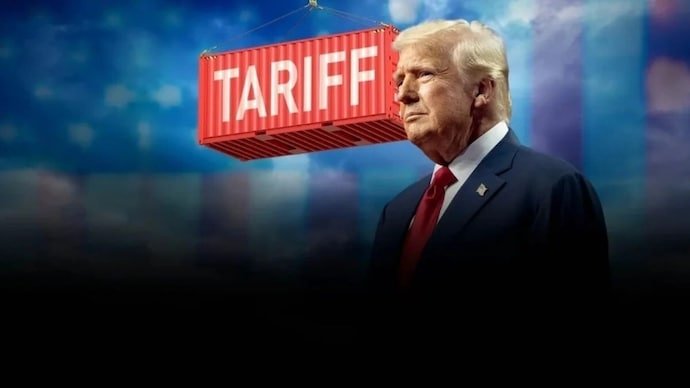
Concerns have emerged in Bangladesh’s garment sector after India announced it would receive similar concessional duty access to the United States for apparel exports.
Under a proposal introduced during the administration of Donald Trump, garments made from US cotton and man-made fibre may qualify for zero reciprocal tariffs. The facility, previously seen as a competitive advantage for Bangladesh, could now be extended to India.
Industry leaders fear the move may affect Bangladesh’s competitiveness in the US market. Former president of the Bangladesh Garment Manufacturers and Exporters Association (BGMEA) Anwar-ul-Alam Chowdhury said India already benefits from lower production costs and stronger government incentives.The president of the Bangladesh Knitwear Manufacturers and Exporters Association (BKMEA) also expressed concern, noting that equal tariff treatment could create additional competitive pressure.However, experts believe the overall impact may be limited.
The president of the Bangladesh Textile Mills Association (BTMA) said the tariff benefit applies only to garments made from imported US cotton and man-made fibre.India is a major cotton exporter and imposes a 12 percent duty on cotton imports, while Bangladesh imports cotton at zero duty. Analysts argue this structural difference could reduce the immediate advantage for Indian exporters.Trade data show both countries expanding in the US market. Bangladesh accounted for over 10 percent of US apparel imports in 2025 and recorded double-digit export growth. India also increased its market share and remains a key sourcing destination.Industry observers say long-term challenges for Bangladesh lie more in compliance risks, supply chain diversification and potential future trade restrictions than in tariff parity alone.While India’s equal access increases competition, experts suggest the real impact will depend on sourcing decisions and cost dynamics in the coming months.