



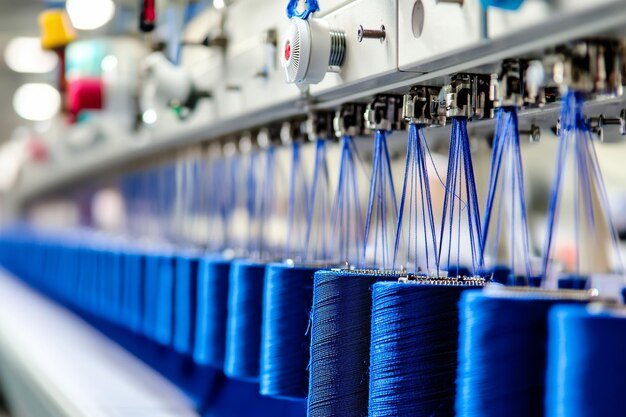
Textile mill owners in Bangladesh have called on the Bangladesh Bank to extend pre-shipment credit facilities to spinning and textile units operating under back-to-back letters of credit (LCs), aligning them with financing support currently available to export-oriented garment manufacturers.
In a letter submitted on April 21, the Bangladesh Textile Mills Association (BTMA) highlighted that the existing financing framework primarily benefits garment exporters operating under master LC arrangements, leaving upstream textile producers with limited access to working capital.
Pre-shipment credit—typically a short-term financing solution—enables exporters to cover key production costs such as raw material procurement, manufacturing, packaging and transportation prior to shipment. The loans are generally repaid once export proceeds are realised and are often secured against LCs.
Currently, commercial banks provide pre-shipment credit of up to 5% of total export value for garment exporters. However, textile mills working under back-to-back LCs are not clearly covered under this facility, creating a financing gap within the supply chain.
Industry leaders argue that extending similar credit support to textile mills would ease liquidity pressures and improve operational stability. The sector plays a critical upstream role in supplying yarn and fabrics to the country’s export-oriented apparel industry, making access to timely financing essential.
Salehuddin Zaman Khan noted that such a facility would help mill owners manage routine operational expenses, including wages and utility costs, during production cycles. He added that repayments could be adjusted against export proceeds, similar to the existing system for garment exporters.
Stakeholders believe that broadening access to pre-shipment financing would strengthen the overall textile value chain, enhance production efficiency, and support export competitiveness, particularly at a time when the industry is navigating rising costs and global market uncertainties.