



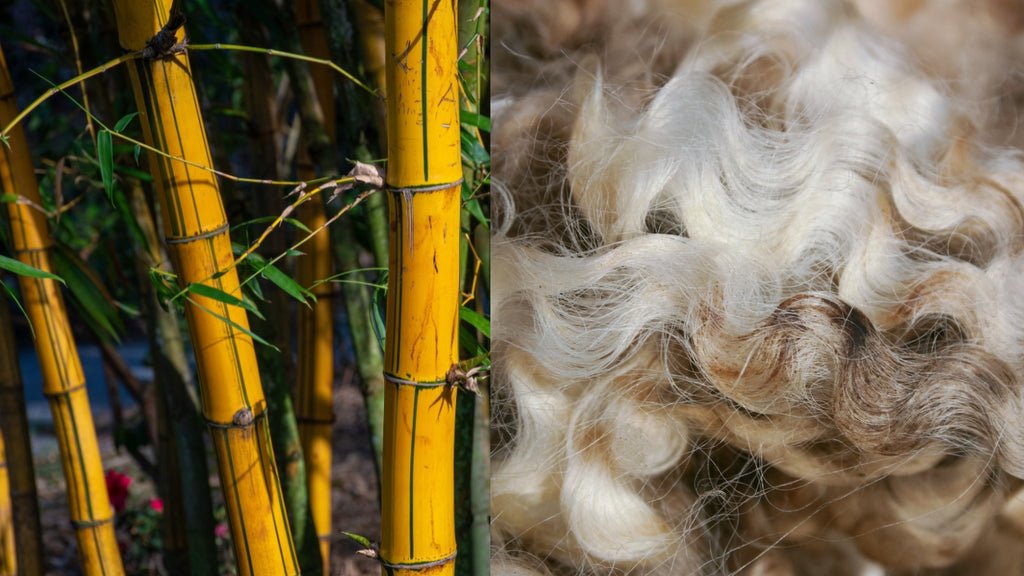
Bamboo fiber is made from—no surprise here—bamboo, the famously fast-growing plant that’s always brought up in conversations about sustainability. There are actually a couple of ways to get fiber from bamboo. Some methods use machines to extract the natural fibers, known as bast fibers, while others rely on chemicals, which transform the bamboo into a material more like viscose or rayon. Regardless of the method, bamboo stands out as an eco-friendly choice for textiles because it’s incredibly low-maintenance. It grows quickly without needing fertilizers, pesticides, or much water at all. That’s pretty important, especially as the textile industry faces more scrutiny to become environmentally responsible. On top of that, bamboo fiber is soft, breathable, and works beautifully for clothing, sheets, and even personal care items. People also appreciate that it’s biodegradable and naturally resists bacteria, which helps build confidence in bamboo-based products.
Manufacturing process
How you make bamboo fiber really changes what you end up with—whether it’s a natural fiber or something completely reworked. If you go the mechanical route, it’s a lot like what’s done with flax or hemp. Basically, you chop up the bamboo stems, soak them, and let natural enzymes break down the woody bits. After that, you crush and comb the mess to pull out the usable fibers. The result? A truly natural bamboo fiber, but it’s rough, takes a ton of work, and costs a lot. That’s why you don’t see much of it on the market—it’s usually made in small batches, and it’s not exactly soft or luxurious.
Most of the bamboo fabric out there comes from the chemical process. Here, manufacturers treat bamboo chips with sodium hydroxide to strip out the cellulose, then mix that with carbon disulfide to get cellulose xanthate—a gloopy stuff that dissolves into a thick solution. This mixture gets pushed through tiny holes into an acid bath, where it turns into soft, silky fibers. That’s bamboo viscose. People love it because it’s smooth and drapes beautifully, but it comes with a catch: the chemicals are nasty, and if you don’t handle them right, they’re bad news for the environment.
There’s a better way, though. Bamboo lyocell uses a different solvent (NMMO) and keeps almost all of it in a closed-loop system, recycling over 99% of it. That makes this process way cleaner and safer for both people and the planet. Plus, lyocell fibers are stronger and smoother, and the whole method leaves a much lighter mark on the environment.
Performance properties
Bamboo fiber isn’t just soft—it’s crazy comfortable and feels almost silky against your skin. If you’ve got sensitive skin or allergies, you know how hard it is to find clothes that don’t itch or irritate. Bamboo just works. It’s gentle, smooth, and doesn’t rub you the wrong way.
Now, here’s the thing about bamboo: it’s a moisture magnet. It soaks up sweat way better than cotton and dries faster, too. That’s a lifesaver if you’re working out, running around on a humid day, or just want to stay fresh. This moisture-wicking ability is why bamboo’s popping up in sportswear and underwear all over the place.
Bamboo’s got some other tricks up its sleeve, too. The fibers naturally fight bacteria and help control odors, so you don’t have to worry about smelling funky halfway through the day. Sure, some of these benefits fade a bit after processing, but bamboo fabrics still keep odors in check better than regular cotton. Plus, bamboo blocks UV rays, giving you a little extra protection from the sun.
If you dig into the details, you’ll find that lyocell bamboo fibers are strong whether they’re wet or dry, while viscose bamboo gets a bit weaker when wet but stays super comfy. Put it all together—softness, moisture control, odor resistance, UV protection, and strength—and you see why bamboo fiber is everywhere, from workout gear to everyday basics.
Environmental benifits
Bamboo’s got a lot going for it, especially when it comes to the environment. For starters, it grows at a crazy speed—sometimes a whole meter in just one day. That means you’ve got a resource that renews itself fast. And get this: you don’t even have to replant it. Its roots keep sending up new shoots, so it just keeps coming back after you harvest.
It’s also pretty low-maintenance. Bamboo drinks up less water than cotton and doesn’t need chemical fertilizers or pesticides. So there’s way less risk of polluting the soil or water with nasty agricultural runoff.
There’s more. Bamboo sucks up a lot of carbon dioxide from the air and pumps out about 35% more oxygen than similar patches of trees. With climate change heating things up, that’s huge. The way bamboo naturally locks away carbon makes it a great pick if you want a sustainable raw material.
Plus, bamboo fiber and bamboo viscose break down way faster than synthetic stuff like polyester. Sure, the process for turning bamboo into viscose can be rough on the environment, but with responsible manufacturing, closed-loop systems, and tighter regulations, you can seriously cut down on the damage.
Market Application
Bamboo fiber pops up everywhere these days, and honestly, it’s not hard to see why. In clothing, you’ll find it in T-shirts, sportswear, yoga pants, socks, underwear, and especially baby clothes. People love it for the comfort—super soft, breathable, and it soaks up sweat like a champ. If you’ve got sensitive skin, bamboo just feels right. That’s probably why bamboo baby products are flying off the shelves.
At home, bamboo shows up in bed sheets, pillowcases, blankets, and towels. It’s not just about looking good; these things actually feel luxurious and pull moisture away fast. Bamboo towels in particular? People rave about how soft and absorbent they are.
But bamboo isn’t just sticking to the usual stuff. Because it’s naturally antibacterial, you’ll find it in medical bandages, sanitary pads, diapers, and wipes. Nonwoven bamboo fiber gets used in all sorts of disposable items, eco-friendly packaging, and even filtration materials. With everyone caring more about sustainability, bamboo textiles have become a go-to for brands and shoppers who want to make greener choices.
Health and safety Concern
Bamboo itself is pretty safe, but turning it into viscose is a whole different story. The chemicals involved—stuff like sodium hydroxide and carbon disulfide—can mess up air and water if factories aren’t careful. And for workers, breathing in carbon disulfide without proper protection? That leads to real health problems, especially with nerves and lungs. But when companies stay on top of safety and handle the chemicals right, the bamboo viscose that ends up in your hands is safe. Most of the nasty stuff gets washed out during production, and good quality checks keep anything leftover at safe levels.
There’s another thing that bugs me: the labels. A lot of things you see marked as “bamboo” are actually bamboo viscose. Sure, they start with bamboo cellulose, but by the time you’re holding that shirt or sheet, it’s not really a natural fiber anymore. No wonder people get confused. Honest labeling and real transparency matter—otherwise, it’s just greenwashing.
Global Market Outlook
Bamboo fiber is having a moment right now, and it’s easy to see why. As everyone starts caring more about the planet, the fashion and textile world is scrambling to find greener options. People want clothes that feel good and do less harm, governments are pushing for cleaner fabrics, and trends like athleisure and babywear are helping bamboo fiber take off.
Asia-Pacific is still the heavyweight here—China grows and produces more bamboo fiber than anyone else. But Europe and North America aren’t far behind. They keep importing more because folks are waking up to the whole sustainable living thing.
On the tech side, things are moving fast. New methods like closed-loop lyocell processing and creative blending are making bamboo fiber even better. More brands are jumping into circular fashion and going for biodegradable materials, so bamboo fiber isn’t just a trend—it’s sticking around as a big name in the push for sustainable textiles.
Bamboo fiber is really making waves in the textile world. It’s comfortable, performs well, and it’s way better for the planet than a lot of other options out there. If you process bamboo mechanically, you get a tough, natural fiber—maybe not the softest, but definitely sturdy. On the flip side, chemical processing turns bamboo into viscose, which feels soft and works for all kinds of uses. And recently, bamboo lyocell has shown up, bringing together great performance and eco-friendliness in one smart package.
Bamboo grows like crazy, doesn’t need much water, breaks down naturally, and even helps pull carbon out of the air. All of this makes it a standout green material. With more and more people looking for sustainable fabrics, bamboo fiber’s set to have a big impact on what comes next in textiles. Still, for bamboo to really live up to its promise, we need to handle chemicals responsibly, be honest about what’s in the products, and keep pushing technology forward. That’s how bamboo can go from just another trend to a truly sustainable solution.
Written by: Mahadi Nasrullah Shahir