



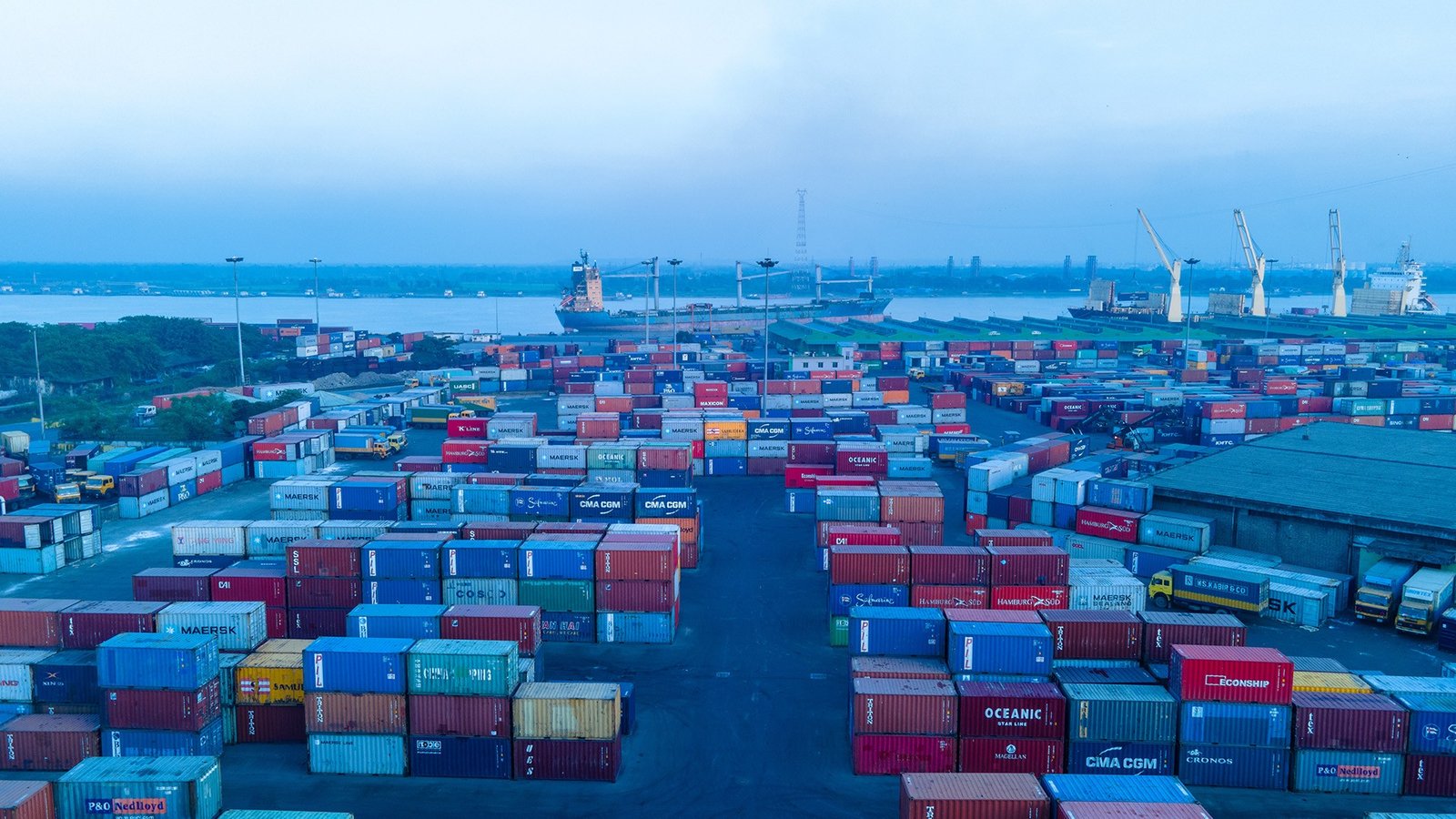
Competition over the operating rights of the Chittagong Container Terminal (CCT) is gaining momentum as international terminal operators intensify efforts to strengthen their presence at Chattogram Port, Bangladesh’s largest maritime trade gateway.
Global port management companies DP World and Red Sea Gateway Terminal (RSGT), along with local logistics conglomerate MGH Group, are among the parties showing interest in operating the terminal, according to industry sources.
Analysts say the significance of CCT extends well beyond its standalone cargo handling capacity. Its strategic location within the port complex makes it a critical operational link between the New Mooring Container Terminal (NCT) and the General Cargo Berth (GCB), the two largest container handling zones at the port.
Currently, Chattogram Port operates through four key container facilities — GCB, CCT, NCT, and Patenga Container Terminal. Of these, the Chittagong Port Authority oversees GCB, CCT and NCT through local management arrangements, while Patenga Container Terminal is operated by Saudi-based RSGT.
Port performance data show that NCT accounted for the largest share of container handling activity last year with approximately 44 percent of throughput, followed by GCB at 36 percent, CCT at 16 percent, and Patenga at around 4 percent.
Industry stakeholders believe the future operator of CCT could gain substantial strategic influence over container movement and operational coordination across the port.
If the terminal is eventually integrated operationally with NCT under Dubai-based DP World, the company could indirectly oversee nearly 60 percent of Chattogram Port’s container throughput. On the other hand, a possible alignment between CCT and GCB under RSGT could elevate the Saudi operator’s operational footprint to more than half of the port’s total container activity.
The growing competition is also being viewed through a broader geopolitical and commercial lens, marking one of the first direct contests between major port operators from the United Arab Emirates and Saudi Arabia for strategic infrastructure control in Bangladesh.
As the country’s primary seaport, Chattogram Port handles the overwhelming majority of Bangladesh’s export-import trade, including shipments linked to the textile, apparel, manufacturing and industrial sectors. Efficient terminal operations remain crucial for reducing lead times, improving supply chain reliability and maintaining export competitiveness in global markets.
Maritime experts say the outcome of the CCT management process could play a significant role in shaping the future structure of Bangladesh’s port logistics ecosystem, particularly as the country seeks greater foreign investment and improved trade connectivity.