



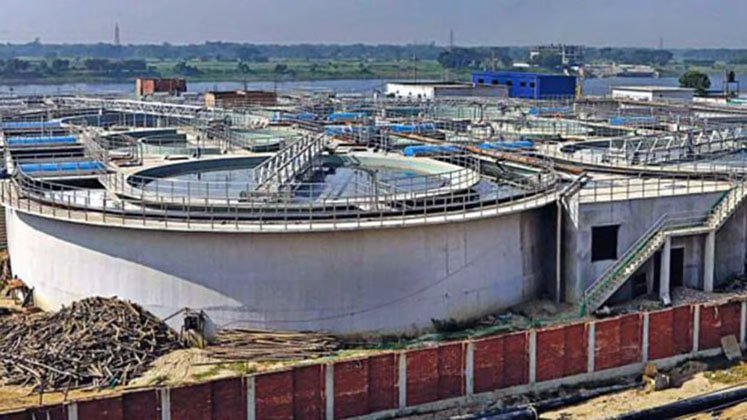
Bangladesh’s leather industry could face mounting challenges in meeting increasingly stringent global compliance and sustainability requirements unless the management of the Central Effluent Treatment Plant (CETP) at the Savar Tannery Industrial Estate is entrusted to a competent professional operator, industry experts have warned.
The recommendation emerged during a webinar on the future of Bangladesh’s leather sector, where stakeholders highlighted persistent operational shortcomings at the Savar estate and raised concerns over the effectiveness of the current management structure.
Speaking at the event, Hossain Zillur Rahman, Executive Chairman of the Power and Participation Research Centre (PPRC), said the relocation of tanneries from Hazaribagh to Savar remains incomplete in practical terms, as critical environmental infrastructure has yet to function effectively.
“The relocation was never intended to be merely a physical transfer of factories,” Rahman said. “The supporting systems, particularly waste treatment facilities, were expected to operate efficiently to ensure environmental compliance and industry sustainability.”
At the centre of the discussion was the CETP, a key facility designed to treat industrial waste and ensure adherence to environmental standards increasingly demanded by international buyers and regulators. Industry stakeholders argued that recurring operational failures have undermined confidence in the sector’s environmental credentials and limited its ability to strengthen its position in global markets.
Rahman questioned whether the existing management framework can deliver the efficiency, accountability and technical expertise required by a modern export-oriented industry. He proposed a model in which the government retains ownership of the CETP while outsourcing day-to-day operations to a specialised professional operator selected through a transparent and competitive process.
“There are numerous examples worldwide where public assets remain under government ownership but are managed by professional operators to ensure higher standards of performance and accountability,” he noted.
Experts at the webinar stressed that environmental compliance is no longer optional for Bangladesh’s leather industry, particularly as global markets introduce stricter sustainability requirements and due diligence regulations.
Rahman emphasised that Bangladesh must align with international compliance expectations regardless of the trade preferences it currently enjoys.
“If Bangladesh wants to remain competitive in global markets, compliance requirements must be met irrespective of preferential trade benefits or development status,” he said.
Industry observers believe that strengthening CETP operations and environmental governance will be crucial for restoring buyer confidence, improving market access, and unlocking the leather sector’s long-term export potential.