



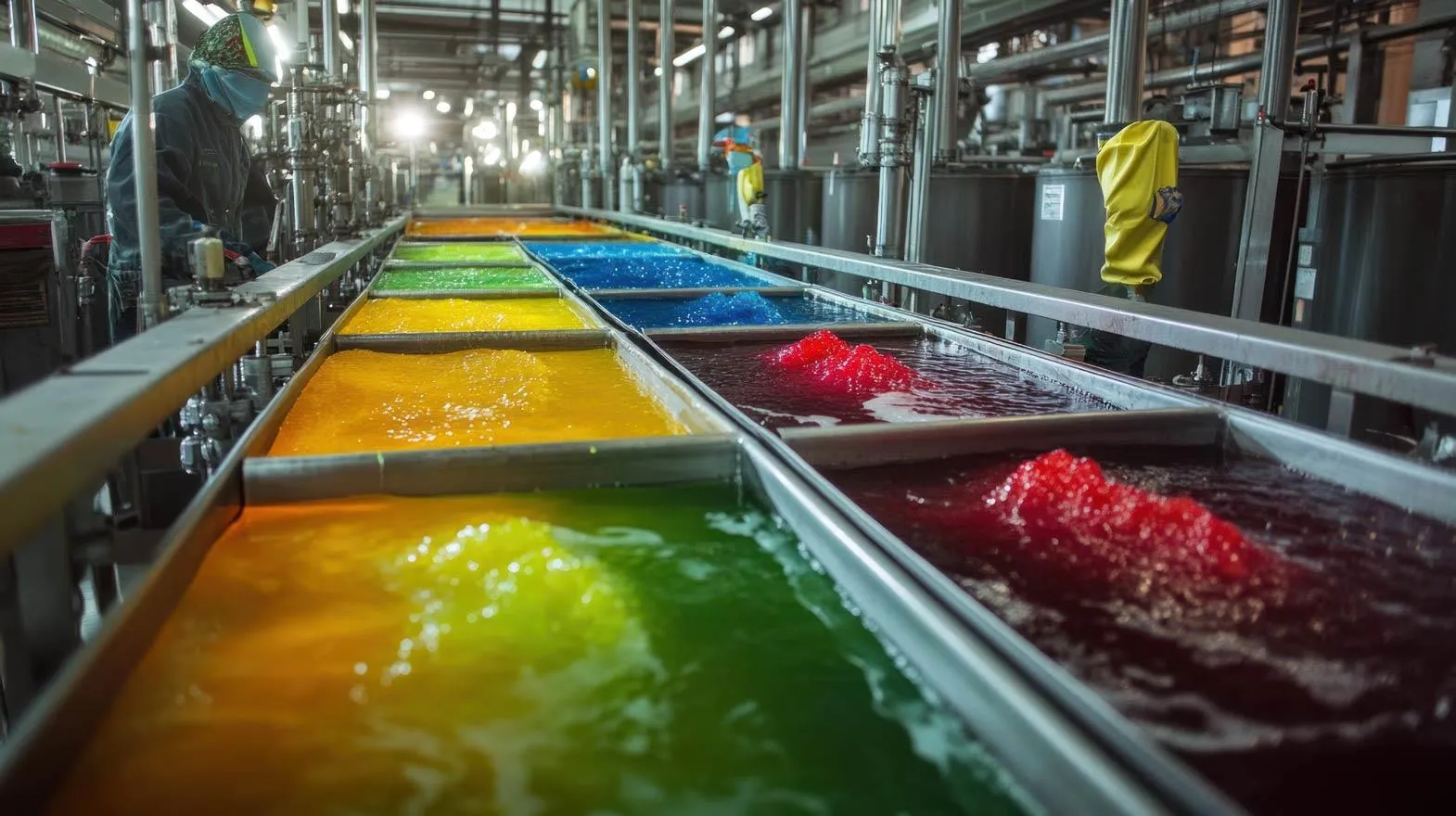
SwitchDye, a spinout from the University of Leeds, has secured a strategic investment from John Hogg Technical Solutions to accelerate the commercialisation of its low-impact polyester dyeing technology.
The funding will support industrial-scale validation of the company’s innovative dyeing system in real-world mill environments, marking a key step in moving the technology from laboratory research to large-scale textile production.
SwitchDye’s process uses a carbonated or “fizzy water” system to drive dye into fibres, significantly reducing the need for auxiliary chemicals, energy and water typically associated with conventional polyester dyeing. The technology is designed as a drop-in solution, allowing manufacturers to adopt it without modifying existing dyehouse equipment.
The partnership will see John Hogg provide technical expertise, manufacturing support and access to industry networks, helping accelerate adoption across textile supply chains. The collaboration aims to demonstrate consistent performance, cost savings and scalability under commercial operating conditions.
The innovation comes at a critical time for the textile industry, where polyester accounts for more than half of global fibre production and dyeing processes are among the most resource-intensive stages of manufacturing. Globally, textile dyeing consumes vast amounts of water and contributes significantly to chemical pollution, with polyester dyeing alone generating substantial volumes of waste.
SwitchDye’s system can reduce water usage by around 40% and eliminate up to 90% of auxiliary chemicals, while also shortening processing time and improving operational efficiency.
In addition to environmental benefits, the technology supports circularity by enabling easier dye removal at the end of a garment’s lifecycle, facilitating fibre-to-fibre recycling—an area of growing importance as brands push for more sustainable material flows.
Industry stakeholders view the development as a significant step towards cleaner textile processing, aligning with increasing regulatory pressure and brand commitments to reduce environmental impact across supply chains.
With pilot trials and mill-scale testing planned, SwitchDye is positioning itself as a scalable solution to one of the textile industry’s most persistent sustainability challenges—chemical-intensive and water-heavy dyeing processes.